
Understanding Interior Design Principles
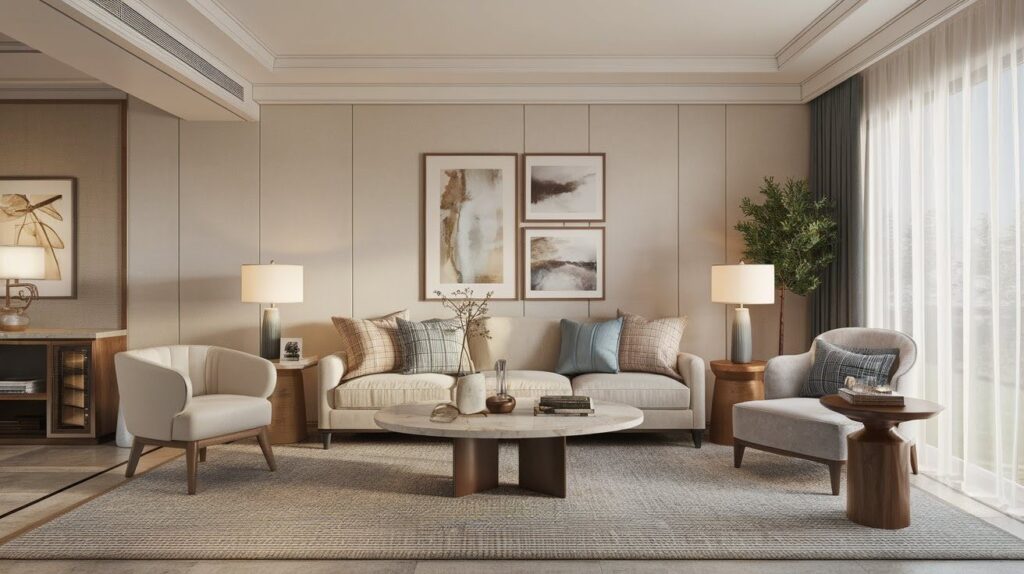
Interior design is a multifaceted discipline that combines art and science to create functional and aesthetically pleasing environments. At the core of effective interior design are several fundamental principles that guide the creative process. Among these principles are balance, harmony, scale, and proportion, each playing a crucial role in the successful execution of design projects.
Balance refers to the distribution of visual weight within a space. It can be achieved through symmetrical or asymmetrical arrangements. Symmetrical balance provides a sense of formality and stability, while asymmetrical balance introduces a dynamic quality, often making a space feel more inviting and lively. Understanding how to utilize balance can significantly enhance your ability to create well-composed interiors, making it a vital component of How to Be Better at Interior Design MintPalDecor.
Harmony is another essential principle that ensures various design elements work together cohesively. It involves creating a consistent theme or color palette across the space, allowing furnishings and decorations to complement one another. By fostering harmony, designers can evoke specific moods and emotions, enhancing the overall user experience in the space. Utilizing a cohesive style will help you realize your vision, making it easier to transform your ideas into reality.
Scale and proportion are closely related concepts that involve the size of objects in relation to each other and the surrounding space. Properly considering scale ensures that furniture and decor fit comfortably within the room, while proportion helps maintain a visual connection between elements, making the space feel balanced and inviting. Mastering scale and proportion is essential for anyone looking to elevate their interior design skills.
In conclusion, a solid understanding of these foundational principles is crucial for those aspiring to improve their interior design capabilities. By applying concepts of balance, harmony, scale, and proportion, individuals can create spaces that are not only beautiful but also functional and harmonious, reflecting their unique aesthetic preferences.
Exploring Color Theory and Palette Selection
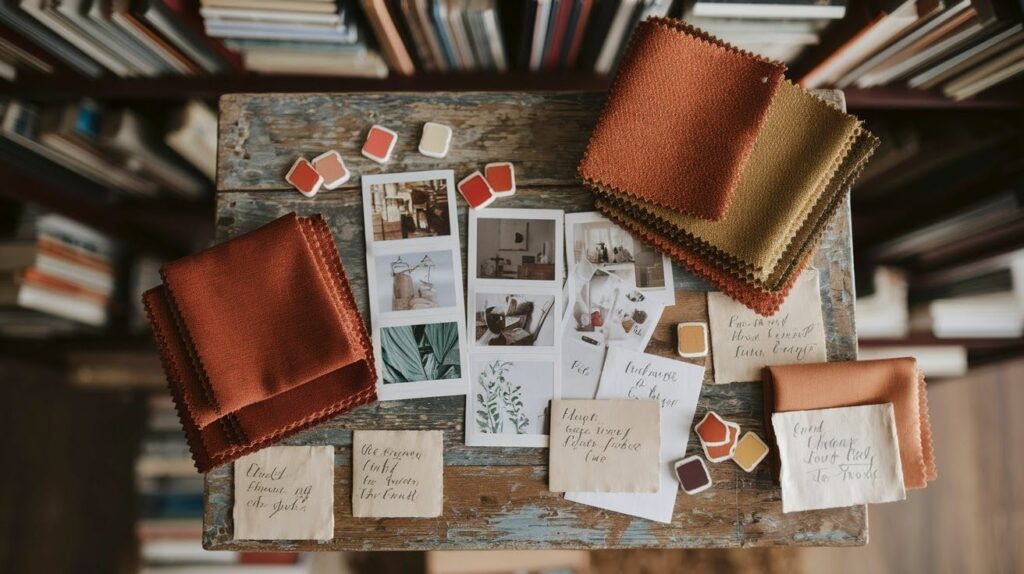
The role of color in interior design cannot be overstated, as it has a profound effect on the aesthetic appeal and mood of a space. Understanding color theory is essential for anyone looking to enhance their design skills. At its core, color theory involves the color wheel, which organizes colors into primary, secondary, and tertiary categories, allowing for easy identification of complementary and analogous colors. This visual tool serves as a foundation for creating harmonious color palettes that resonate well within various environments.
Color harmony refers to the pleasing arrangement of colors, which can be achieved through known techniques such as complementary, analogous, or triadic schemes. Complementary colors are opposite each other on the color wheel and provide high contrast, making them ideal for accentuating particular features in a room. Conversely, analogous colors, which are next to each other on the wheel, create a serene and cohesive look, perfect for spaces where tranquility is desired. Understanding these relationships aids designers, including those working with MintPalDecor, in making more informed aesthetic choices.
The psychological effects of colors also play a significant role in interior design. For example, blue is often associated with calmness and stability, making it suitable for bedrooms or home offices. In contrast, yellows and oranges can evoke feelings of warmth and energy, ideal for kitchens and social spaces. When choosing colors, consider the intended use of the space and the emotions you wish to evoke. Additionally, practical tips for selecting color palettes include using physical samples, testing colors in different lighting conditions, and referencing design resources such as those offered by MintPalDecor.
Ultimately, mastering color theory and palette selection is a crucial step in learning how to be better at interior design. By thoughtfully incorporating these principles, one can create inviting and cohesive environments that not only reflect personal style but also cater to the needs of the occupants.
Selecting and Arranging Furniture and Decor
When considering how to be better at interior design MintPalDecor, selecting and arranging furniture and decor is a fundamental component that can significantly impact both aesthetics and functionality. The first step in this process is understanding scale and proportion. It is essential to choose furniture pieces that are appropriately sized for the space. For instance, oversized sofas can overwhelm a small room, while minuscule furniture may appear lost in a larger area. A balanced approach ensures that the room feels inviting and harmonious.
Equally important is the arrangement of furniture within a space. Effective zoning is crucial. This can be achieved by creating designated areas for different activities, such as a reading nook or a conversation area. When arranging furniture, leave ample space for movement and flow. Ensuring pathways between pieces keeps the area functional, allowing guests to move around comfortably. This layout not only enhances usability but can also elevate the overall ambiance of the room.
Another aspect to consider is incorporating MintPalDecor’s unique pieces into your design. These items often serve as statement pieces, adding character and a personal touch to your decor. Strategically placing such items can create focal points that draw the eye and inspire conversation. Mixing these standout pieces with complementary furniture encourages a cohesive look that reflects your style while still adhering to established interior design principles.
In conclusion, mastering the art of selecting and arranging furniture and decor is crucial for effectively transforming a space. By focusing on scale, proportion, and thoughtful zoning, coupled with unique MintPalDecor elements, one can create an environment that is not only visually appealing but also meets functional needs. A well-designed space encourages comfort and expresses personal style, making it essential for any successful interior design endeavor.
Staying Updated on Trends and Resources
To excel in the art of interior design, it is imperative to stay updated on the latest trends and resources. The design landscape is ever-evolving, influenced by fashion, technology, and the changing needs of living spaces. Engaging with various platforms can offer a wealth of inspiration and knowledge, ensuring your skills remain relevant and refined. Among the most effective resources are interior design blogs that regularly provide insights, tips, and showcases of innovative decor. MintPalDecor itself is a valuable source of information, offering a blend of articles, tutorials, and visual content aimed at enhancing your design proficiency.
Social media has also become a prominent venue for discovering current trends in interior design. Platforms like Instagram, Pinterest, and TikTok enable users to explore ideas in real-time and connect with a diverse community of designers and enthusiasts. By following hashtags related to interior design, such as #interiordesigntrends or #MintPalDecor, you can immerse yourself in a visually rich environment that stimulates creativity and sparks fresh ideas. Additionally, observing the work of others allows you to learn about different styles, techniques, and materials that you may wish to incorporate into your own projects.
Moreover, participating in design shows and exhibitions can provide hands-on experience and direct exposure to emerging trends. These events often feature workshops, talks, and demonstrations conducted by industry experts, offering a fantastic opportunity to learn new skills and network with fellow designers. Continuous learning and adaptation are essential components of successful interior design practice. By taking advantage of the resources available through MintPalDecor and similar avenues, you can transform your understanding of space and aesthetics, ultimately leading to more sophisticated and thoughtful designs.